

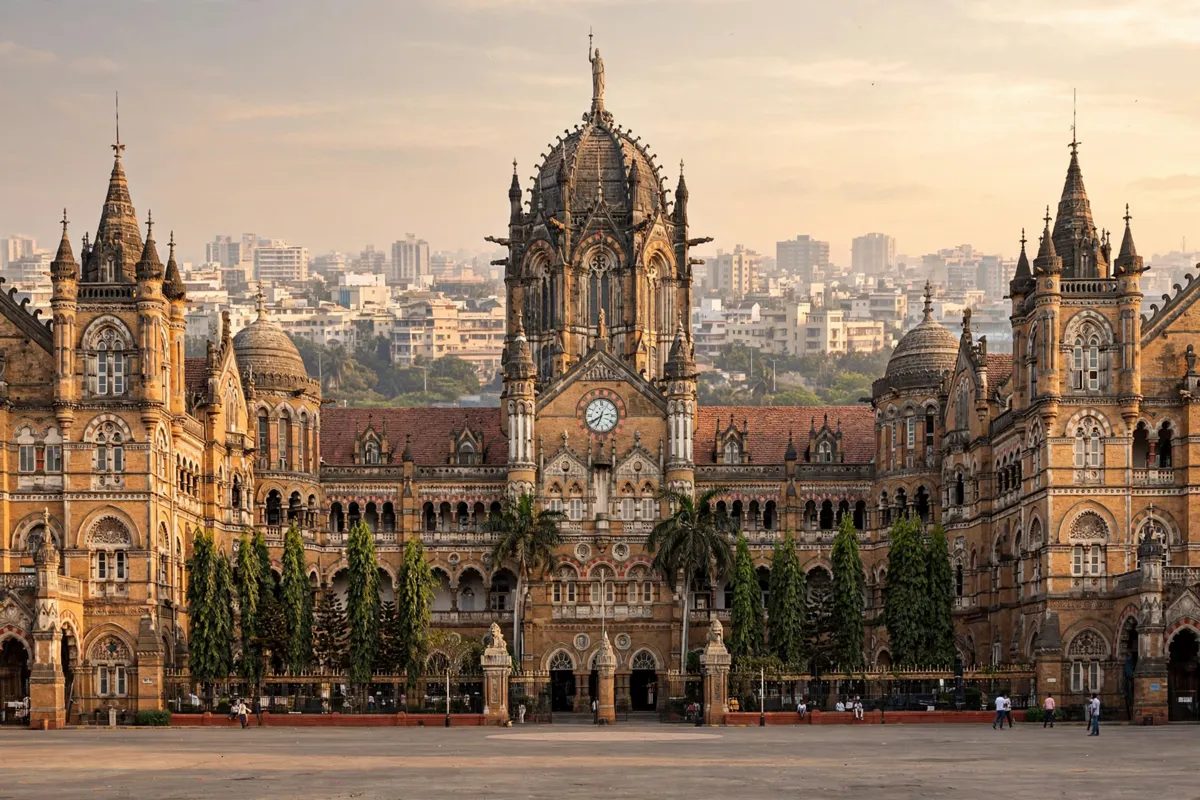
Chhatrapati Shivaji Maharaj Terminus is a working railway station and UNESCO World Heritage property in Mumbai, Maharashtra. Its Victorian Gothic Revival architecture blends Indian traditions, making CSMT Mumbai a landmark to appreciate for both its history and its detailed exterior.
At a glance
- Location: Mumbai, Maharashtra, India
- Heritage status: UNESCO World Heritage property, inscribed in 2004
- Designed by: British architect F. W. Stevens
Why CSMT is a landmark in Mumbai
CSMT is a historic railway terminus that remains part of Mumbai’s rail network. Formerly known as Victoria Terminus, it was the first terminus station in the subcontinent, according to UNESCO.
F. W. Stevens designed the station, and construction began in 1878, taking 10 years. The building was inscribed as a UNESCO World Heritage property in 2004. It was also declared a Heritage Grade-I structure under a Maharashtra State Government resolution dated 21 April 1997.
The station’s importance comes from the combination of its architecture and railway role. The Government of Maharashtra’s Mumbai Suburban District website identifies CSMT as one of Mumbai’s major stations, connecting the city with different parts of India. UNESCO describes the station premises as a strictly protected area maintained by Indian Railways.
What to notice in the station’s architecture
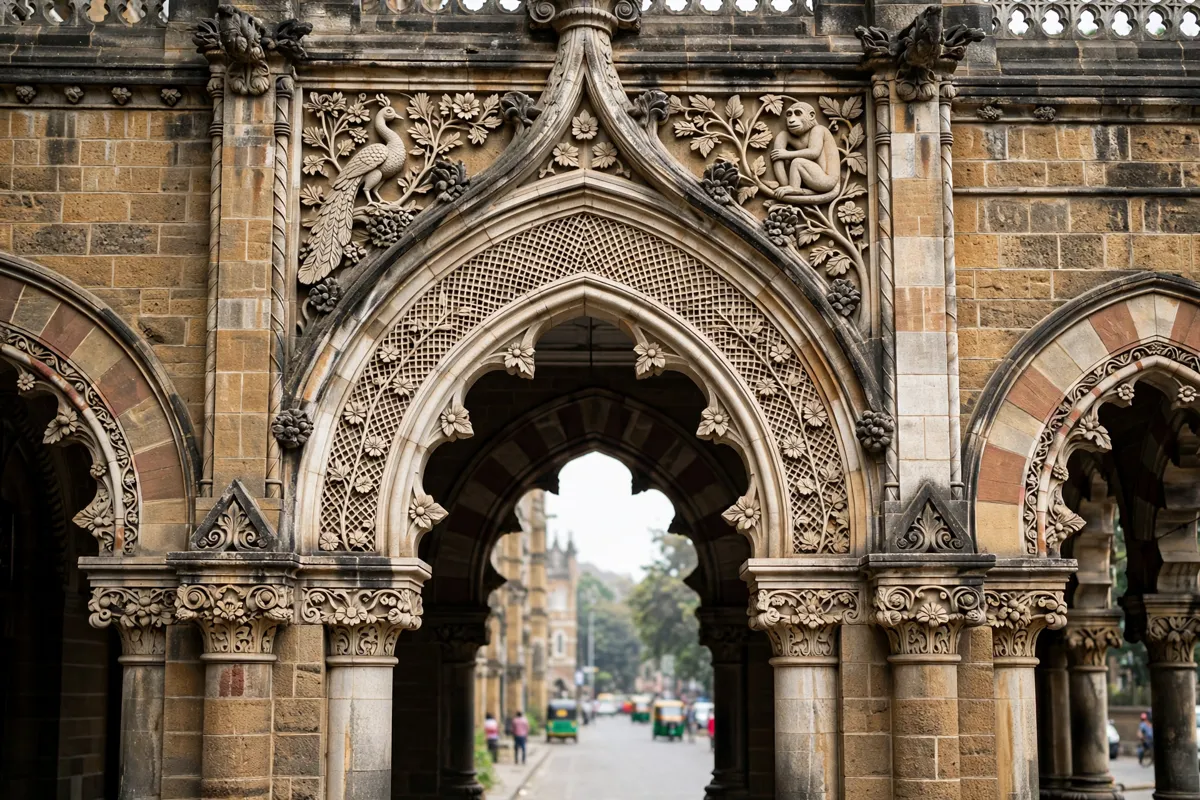
CSMT’s exterior combines Victorian Gothic Revival design with themes from Indian traditional architecture. Its stone dome, turrets, pointed arches and unusual ground plan recall features of traditional Indian palace architecture, as UNESCO describes them.
Look for the figures above the entrance columns: a lion represents the United Kingdom, while a tiger represents India. Peacocks appear on the entrance tympana. The architectural detailing also includes carved local flora and fauna, human-face portrait roundels, stone meshwork, gargoyles and allegorical figures.
The materials contribute to the changing textures across the building. UNESCO identifies local yellow Malad stone, Italian marble, polished granite, white limestone and Burma teak doors and windows among the station’s details. The World Heritage property covers 2.85 hectares, with a 90.21-hectare buffer zone.
Visiting a working railway station
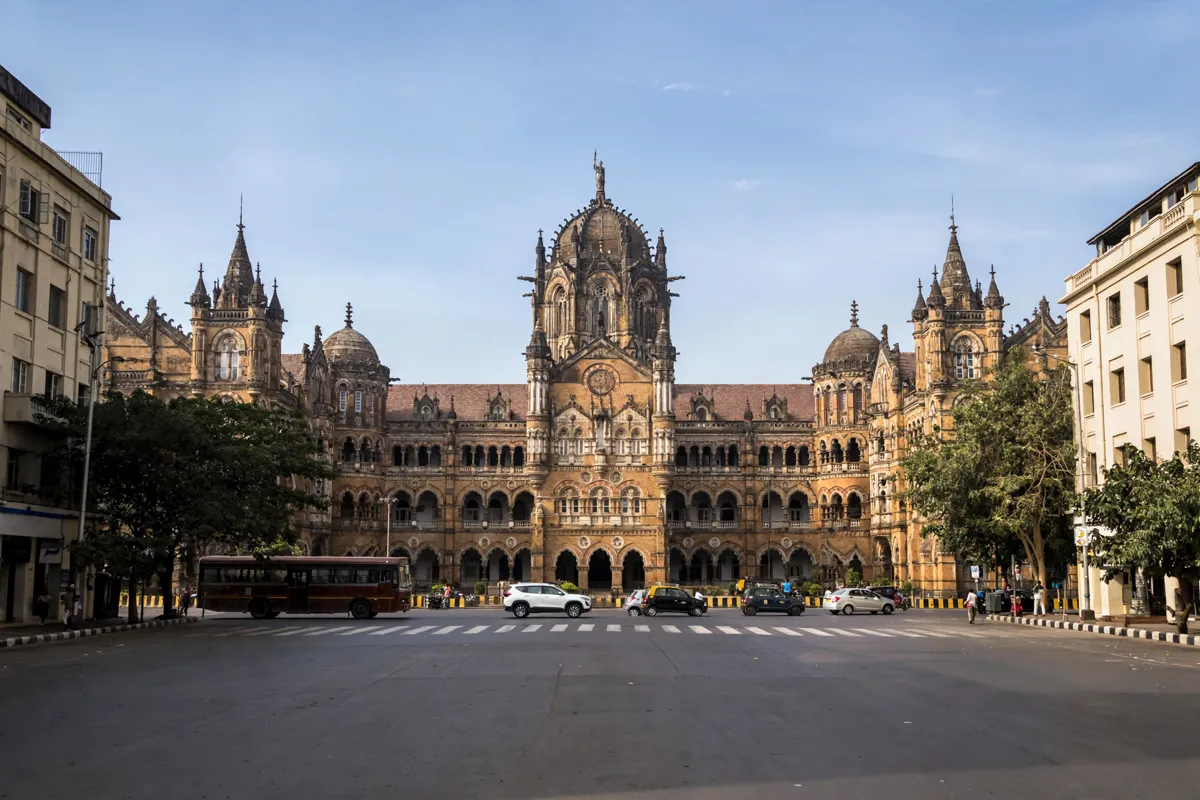
CSMT is an active railway station, so a visit takes place within a transport hub rather than a standalone museum. Indian Railways holds legal rights to the property, and the Divisional Railway Manager of Central Railway’s Mumbai Division has administrative control and management.
Give the exterior details time: the dome, arches, entrance figures and carved stonework offer plenty to look at without treating the station as an exhibition space. The premises are strictly protected, so follow railway instructions and respect any access restrictions. Check the official site before you go.
If you are planning to use the city’s rail network as part of your visit, this guide to Mumbai local trains from Masjid station covers that related topic.
Getting to CSMT
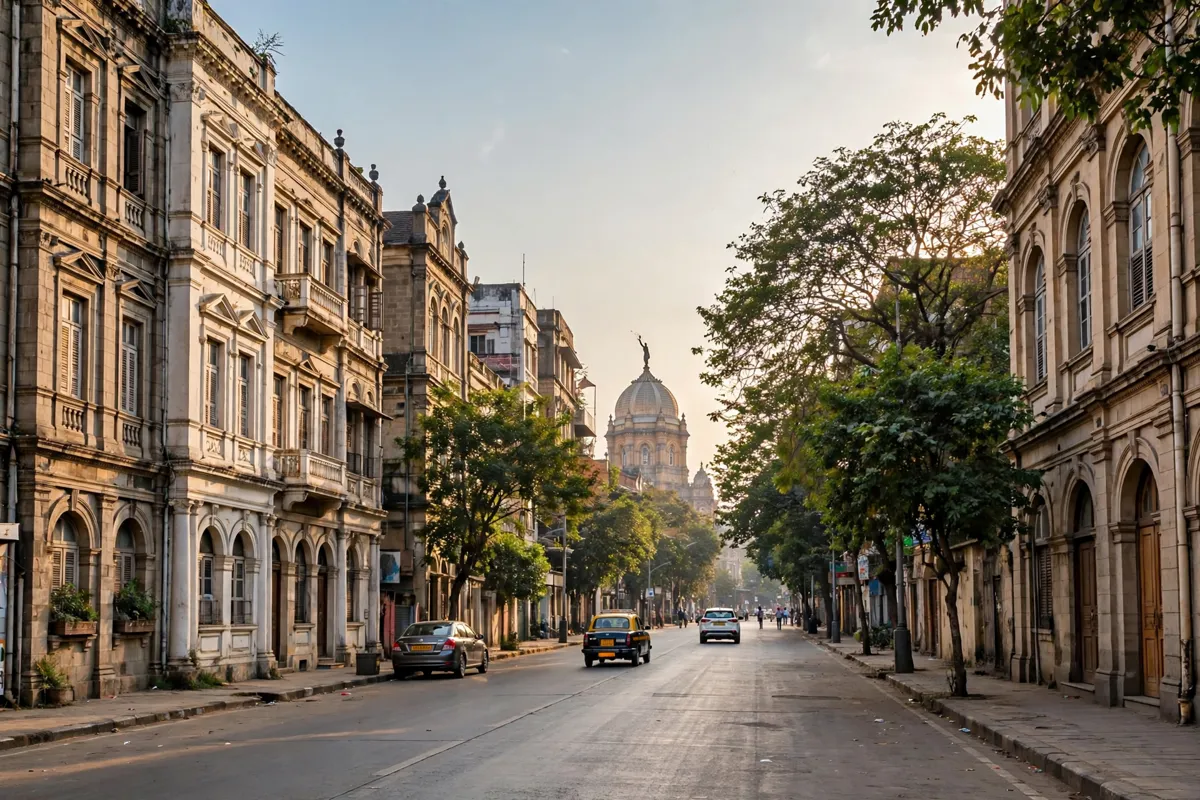
CSMT is about an 8-minute drive or a 22-minute walk from Hotel Residency Park. The station’s coordinates, as recorded by UNESCO, are 18°56′24.44″N, 72°50′10.33″E.
For a broader day plan around the area, a Mumbai route starting from the Masjid area can help you connect the station with other stops.
FAQs
What was Chhatrapati Shivaji Maharaj Terminus called before?
The station was formerly known as Victoria Terminus.
Who designed Chhatrapati Shivaji Maharaj Terminus?
British architect F. W. Stevens designed the station.
What makes CSMT’s architecture distinctive?
Its Victorian Gothic Revival design incorporates Indian traditional architectural themes, including palace-like forms and detailed stonework.